

Support TFG by using the links in our articles to shop. We receive a small commission (at no extra cost to you) so we can continue to create helpful free content. We earn from qualifying purchases made to the featured retailers. Thank you, we appreciate your support!
Traveling to a destination with subzero temperatures? Read these tips on how to choose the best arctic clothing to find out the best below zero clothing and gear for women!
by Anubha Momin
If you’re planning a trip to the Arctic or any destination where temperatures stay well below freezing for extended periods, you’ll need to come prepared. Extreme cold weather conditions require specialized clothing that not only keeps you warm but also allows you to remain comfortable and active. Whether you’re visiting Iqaluit in Canada, the remote landscapes of Iceland, or heading to the northernmost reaches of the world, packing the right gear can make all the difference.
As someone who calls Iqaluit, Canada’s Arctic capital, home, I can tell you that surviving the extreme cold is all about understanding the layers, the fabrics, and the gear that work best in such harsh environments.
Start by reading these general tips on packing for winter travel:
Here’s everything you need to know about Arctic clothing and cold-weather gear to ensure you stay warm and enjoy your adventure, no matter how freezing the conditions.
Outer Layer: The Key to Defending Against the Elements
When it comes to Arctic clothing, your outer layer is your most important piece of gear. This is your shield against the cold, wind, and snow, and it has to be top-notch.
Winter Coat
Your winter coat should be the first item on your packing list. Look for a coat that is both insulated and waterproof, as you’ll need protection from both the cold and any wet conditions. Opt for a down-filled jacket or one with synthetic insulation, both are excellent at trapping heat while remaining lightweight.
A down parka jacket is particularly cozy but can lose its insulating properties if it gets wet, so synthetic fill might be a better choice if you expect snow or rain. Make sure the coat is long enough to cover your hips and thighs to provide maximum warmth.
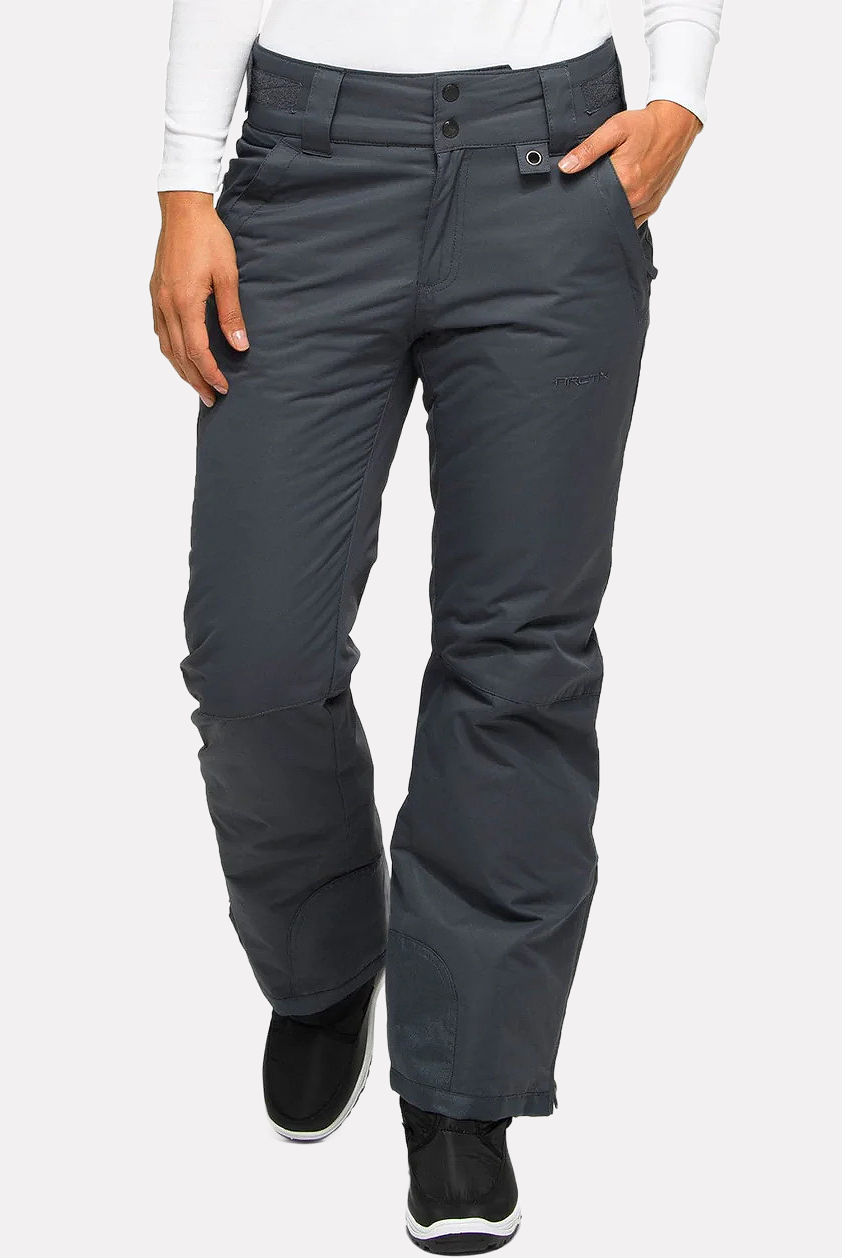
Arctix Women’s Insulated Snow Pant
Waterproof Pants
When traveling in the Arctic, your legs need protection just as much as your upper body. Waterproof, insulated pants are a must to keep snow, sleet, and moisture out while ensuring you stay warm.
These cold weather pants should be breathable, too, to allow moisture from sweat to escape without chilling you. If you plan on doing more active activities like skiing or hiking, choose pants designed for flexibility and movement.

BenBoy Fleece Slim Cargo Snow Ski Hiking Pants
Extra Layer – Ski Pants or Snow Pants
For those extra cold days or activities that demand more flexibility, such as snowshoeing or cross-country skiing, invest in snow-specific pants.
These are designed to allow maximum freedom of movement, but they’re also incredibly warm and often come with adjustable waistbands and breathable panels for ventilation.
Insulating Layers: How to Keep the Warmth In
In Arctic conditions, layering is crucial for staying warm. Insulating layers trap body heat while allowing you to adjust to changing temperatures.
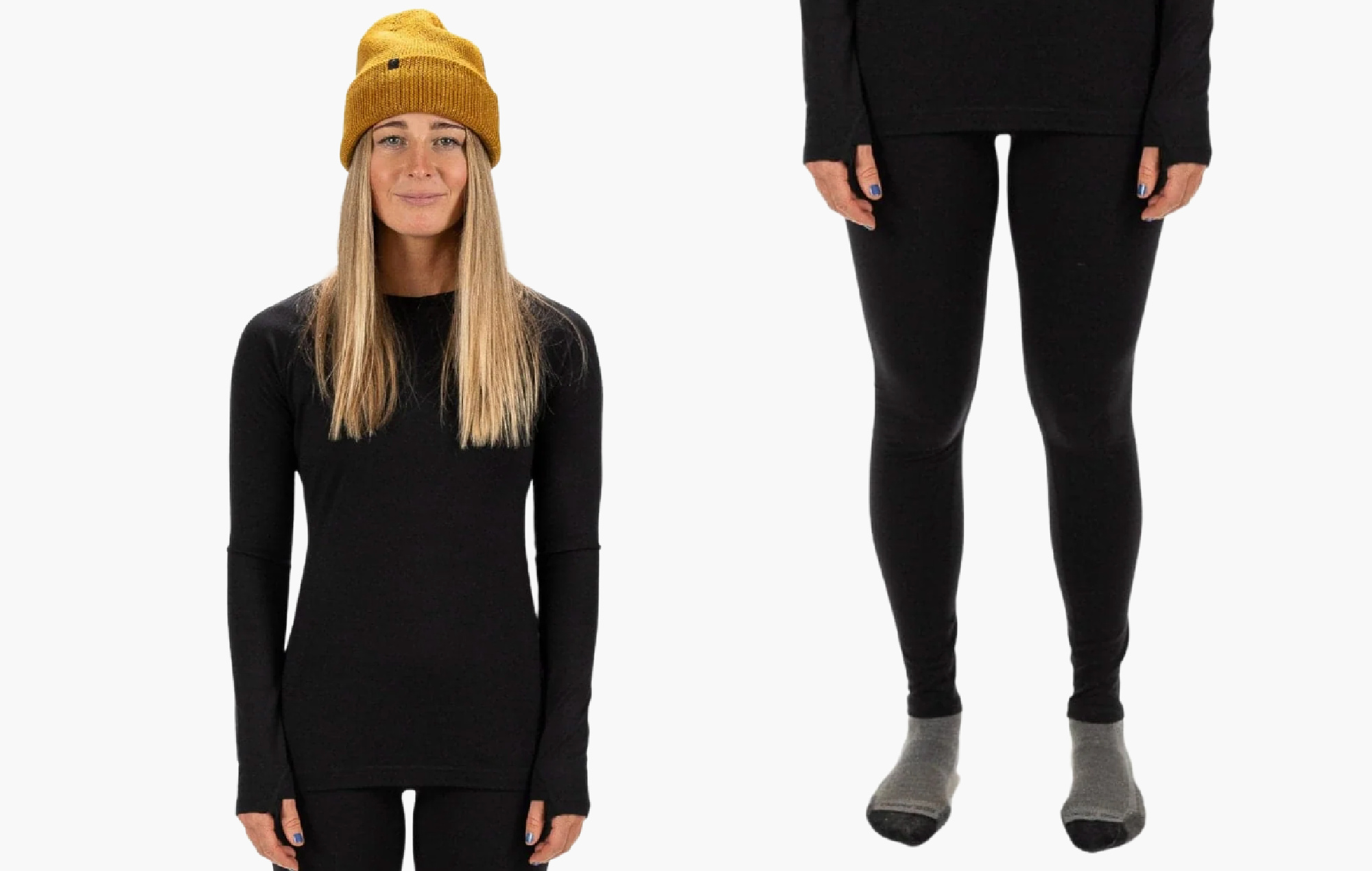
Ridge Merino Aspect Midweight Long Sleeve | Ridge Merino Aspect Midweight Bottoms
Thermal Base Layers (Top & Bottom)
Base layers are essential for regulating body temperature in extreme cold. Choose thermal tops and bottoms made from merino wool, silk or synthetic fibers.
These materials are breathable and moisture-wicking, which means they’ll keep you dry by pulling sweat away from your skin. Merino wool is particularly excellent at regulating your body temperature and won’t make you feel cold and damp if you sweat.
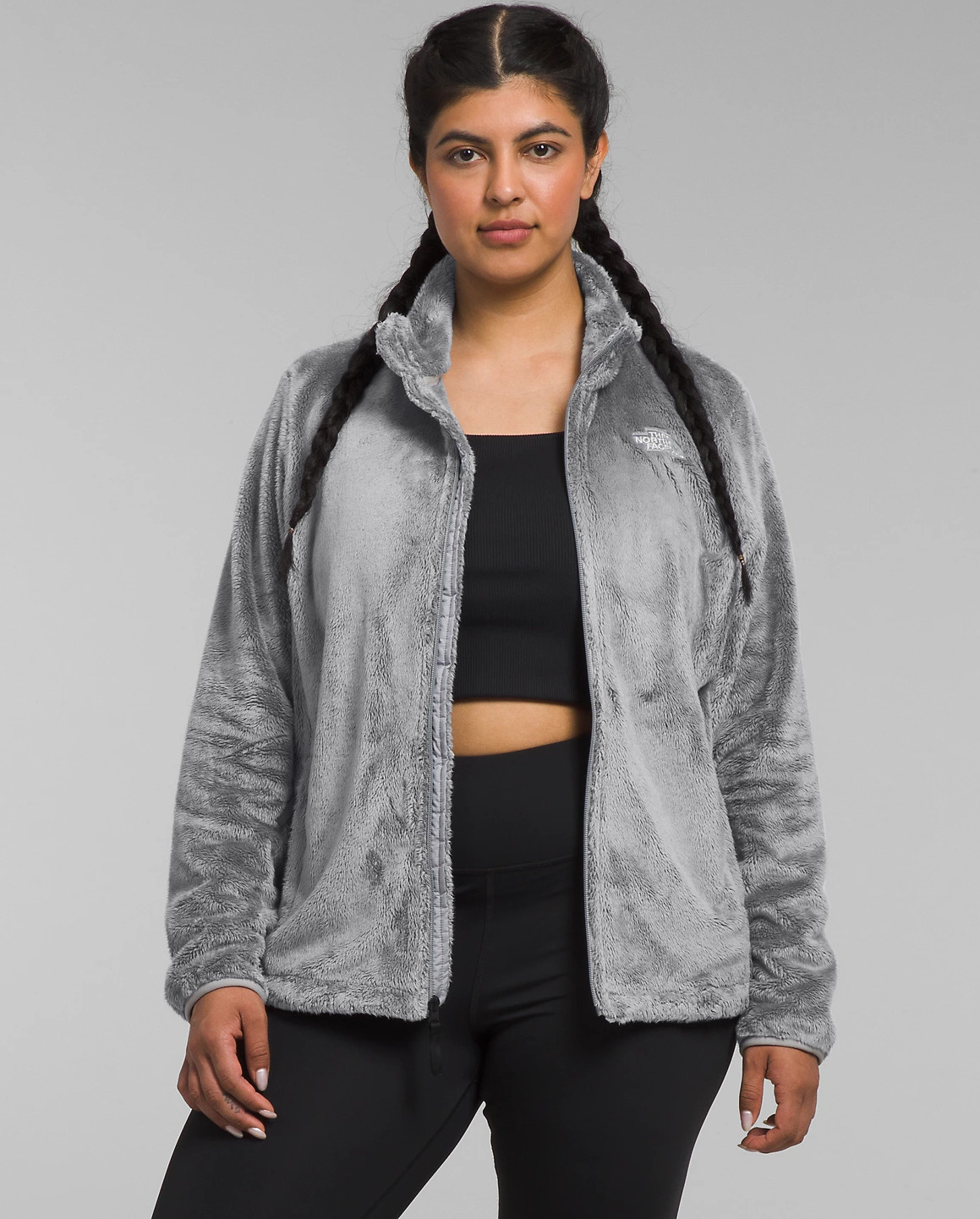
The North Face Osito Classic Fleece Jacket
Fleece Jackets & Sweaters
A fleece jacket or sweaters, made from merino wool or cashmere, add an extra layer of warmth without adding weight to your suitcase.
Fleece is lightweight, soft, and insulating, making it ideal for an Arctic layering system. It allows for good breathability and is quick-drying, which is important if you’re moving between warm indoor environments and cold outdoor conditions.
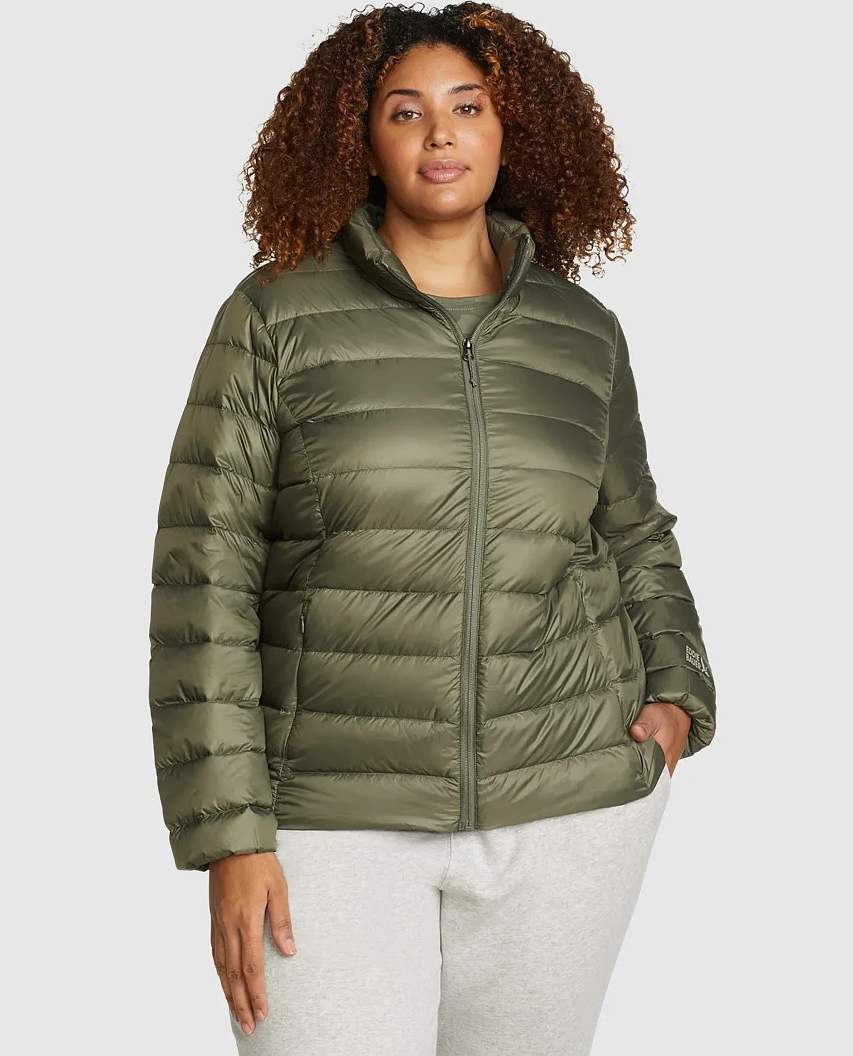
Eddie Bauer CirrusLite Hooded Down Jacket
Down or Synthetic Insulated Jackets
A down jacket or synthetic insulated coat will provide that extra warmth you need when the temperatures plummet especially as you can also layer it under your winter jacket as needed.
Down is incredibly warm but can lose its insulation ability if it gets wet, which is why synthetic insulation is a good alternative for wet conditions. Both materials offer excellent warmth-to-weight ratios, so you won’t feel bogged down in too many layers.
Footwear: Keeping Your Feet Warm and Dry
When it’s freezing outside, your feet are one of the first places that can become uncomfortably cold. You’ll need boots that are specifically designed to handle extreme temperatures while providing ample insulation and waterproofing.
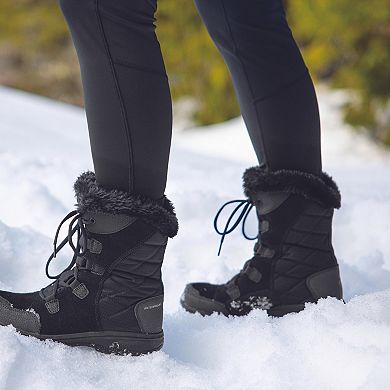
Columbia Ice Maiden II Snow Boot
Insulated Waterproof Boots
Your boots need to be rated for extreme cold temperatures, look for boots rated for -30°C or lower. They should also be waterproof, as moisture can quickly turn a cold day into an uncomfortable nightmare.
Insulated boots with thick soles and strong traction will help you stay balanced and prevent slipping on ice or snow. Choose boots that are both high enough to prevent snow from getting inside and roomy enough to allow for thick socks without restricting circulation.
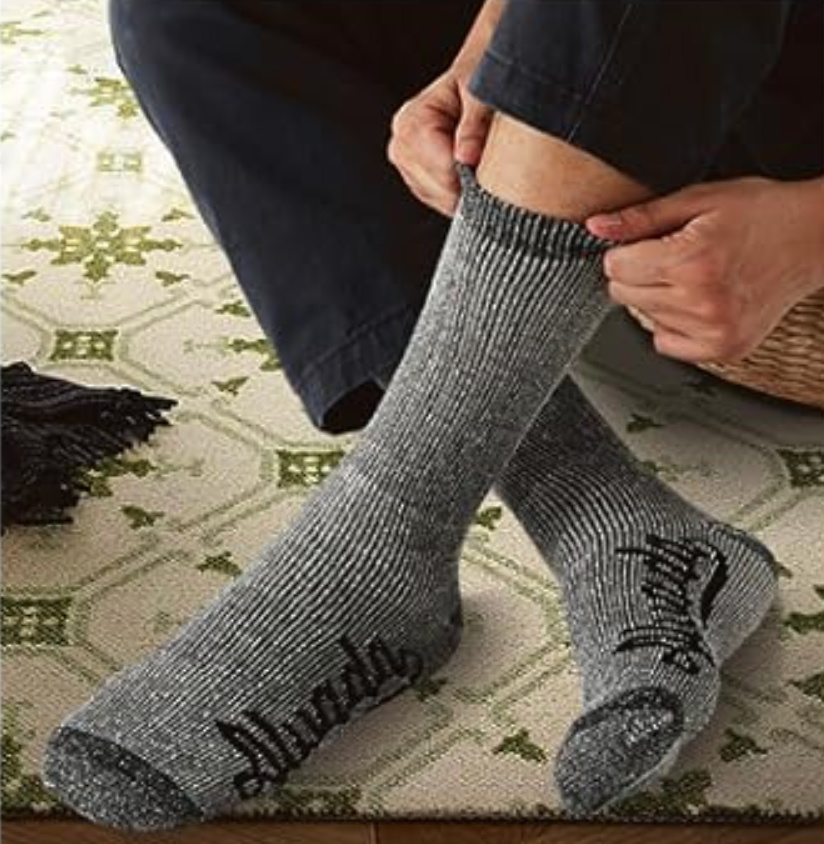
Alvada Merino Wool Thermal Socks
Thermal Socks
Wool socks are your best bet for cold-weather adventures. These socks wick moisture away from your feet while keeping them warm, even in freezing conditions. They’re breathable and naturally odor-resistant, which is great if you’re out for long periods.

Pike Trail Waterproof Adjustable Leg Gaiters
Gaiters
If you’re planning to walk or hike in deep snow, gaiters are a game-changer. These waterproof covers slip over your boots and lower legs to keep snow, water, and cold from getting inside your shoes. Gaiters also help with insulation and prevent cold air from creeping up your pant legs.
Headgear: Protecting Your Head, Ears, and Face
When temperatures drop in the Arctic, your extremities are the most vulnerable. Your head, ears, and face can become frostbitten if you’re not careful, so protecting them is key.
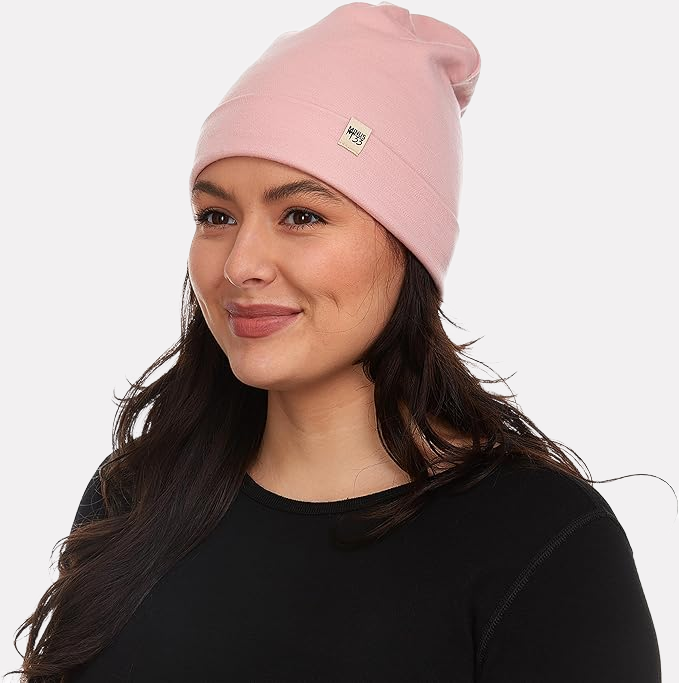
Minus33 Unisex Merino Wool Cuff Beanie Hat
Insulated Hat or Beanie
A warm, insulated hat is a must-have for any Arctic adventure. Wool or fleece hats will keep your head and ears covered and warm. Look for hats with ear flaps or built-in fleece lining for extra insulation.
If you plan on spending a lot of time outside, make sure your winter hat fits comfortably under your coat’s hood and covers your ears completely.

Balaclava or Neck Gaiter
A balaclava is an excellent choice for extreme cold conditions, as it covers your face, neck, and head, leaving only your eyes exposed. This is essential if you’re going to be exposed to wind or subzero temperatures for extended periods.
If a balaclava isn’t your style, a neck gaiter or a scarf is a more versatile option—it can be worn around your neck for warmth or pulled up to cover your face when needed.

Brook + Bay Foldable & Furry Ear Muffs
Earmuffs or Fleece Headband
For those who prefer not to wear a full hat, earmuffs or a fleece headband can be a great way to protect your ears without sacrificing comfort or style. They’re lightweight, portable, and easy to pack, making them perfect for traveling.
Gloves: Essential for Keeping Your Fingers Functional
Cold hands can be a serious issue, especially when you’re trying to enjoy outdoor activities in the Arctic. Gloves that are both insulated and waterproof are essential.

Insulated Gloves
Your gloves need to be warm but also functional. Insulated gloves should allow you to move your fingers and use your gear without losing heat.
Go for gloves made with synthetic insulation, which performs well even in wet conditions, or down-filled options for maximum warmth. Choose gloves that are breathable to prevent sweating, but also have waterproof features to keep your hands dry.
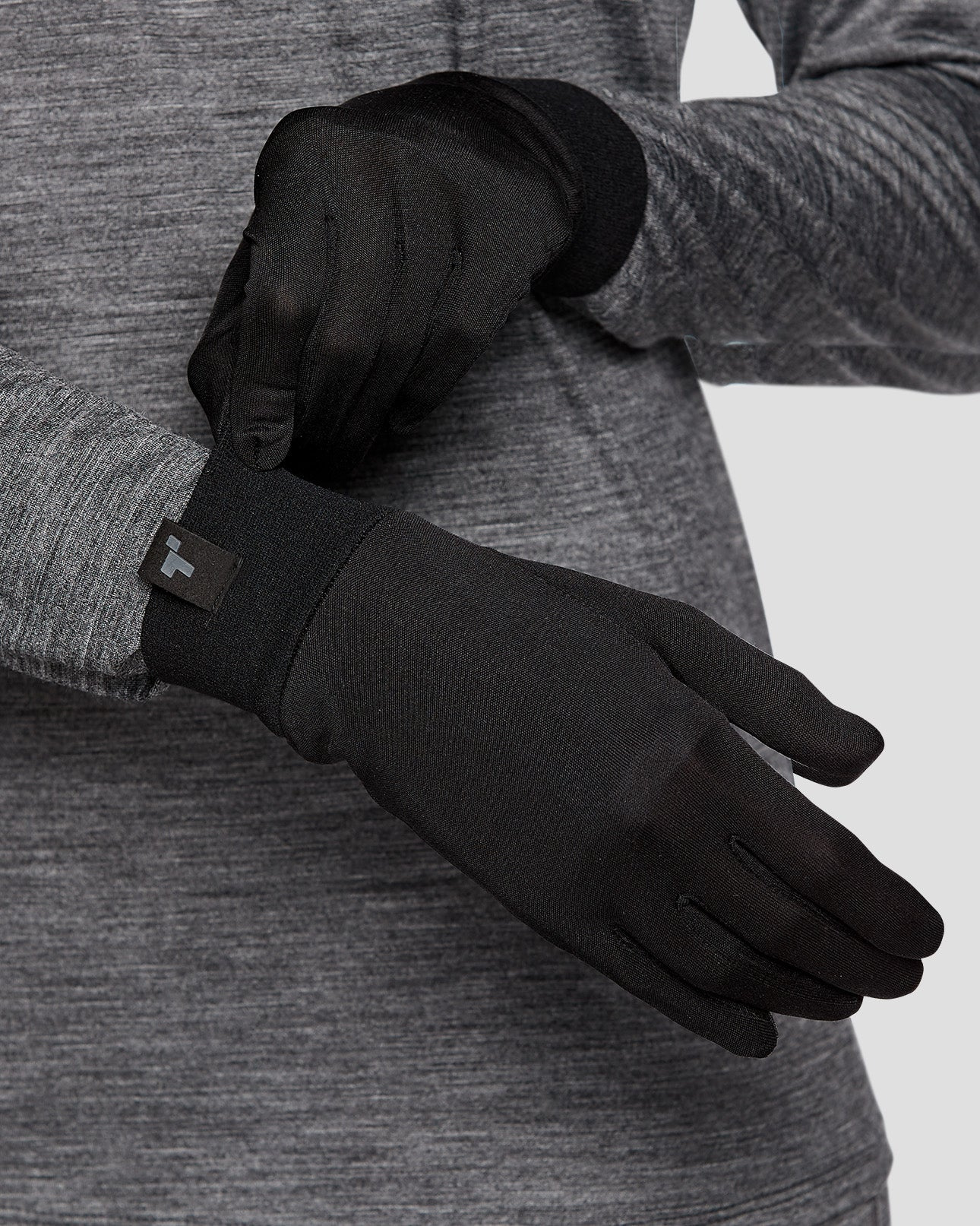
Terramar Thermasilk Glove Liner
Glove Liners
Glove liners made of merino wool or fleece add an extra layer of warmth. They’re lightweight and can be worn underneath your main gloves for extra protection on super cold days. Look for liners that are moisture-wicking to keep your hands dry during physical activities.

Hand Warmers
If you need a little extra heat, hand warmers are an essential travel accessory. These small packets heat up when activated and can keep your fingers warm for hours. They’re portable and easy to tuck into your gloves or pockets for instant warmth.
Extra Tips for Staying Comfortable in the Cold
- Moisturize: The cold air in the Arctic can dry out your skin quickly. Be sure to bring a thick, nourishing moisturizer and lip balm with SPF to protect your skin from cracking and chapping.
- Hydration: Even in freezing temperatures, hydration is crucial. Carry an insulated water bottle to keep your water from freezing, and drink regularly to avoid dehydration.
- Goggles: If you’re planning on activities like snowmobiling or skiing, snow goggles are essential. They’ll protect your eyes from the glare of the snow and the harsh UV rays that reflect off the surface.
- Sunscreen: Yes, you need sunscreen in the Arctic. Snow reflects UV rays, so it’s easy to get sunburned even in cold temperatures. Apply SPF to exposed skin, especially your face, hands, and neck.
Prepare for the Cold, Embrace the Adventure
The Arctic is a breathtaking, remote part of the world, and the right clothing and gear can make all the difference in how you experience it. By focusing on layers, moisture-wicking fabrics, and high-quality gear that will keep you warm, dry, and protected, you can explore these stunning destinations without worrying about the cold.
So, pack wisely, layer up, and get ready to enjoy your Arctic adventure—whether you’re chasing the Northern Lights or simply soaking in the beautiful frozen landscape.


What extreme cold weather gear do you recommend? Share in the comments below!
For more ideas on what to wear in cold weather, please read:
LIKED THIS POST? PIN THIS PIC TO SAVE IT!
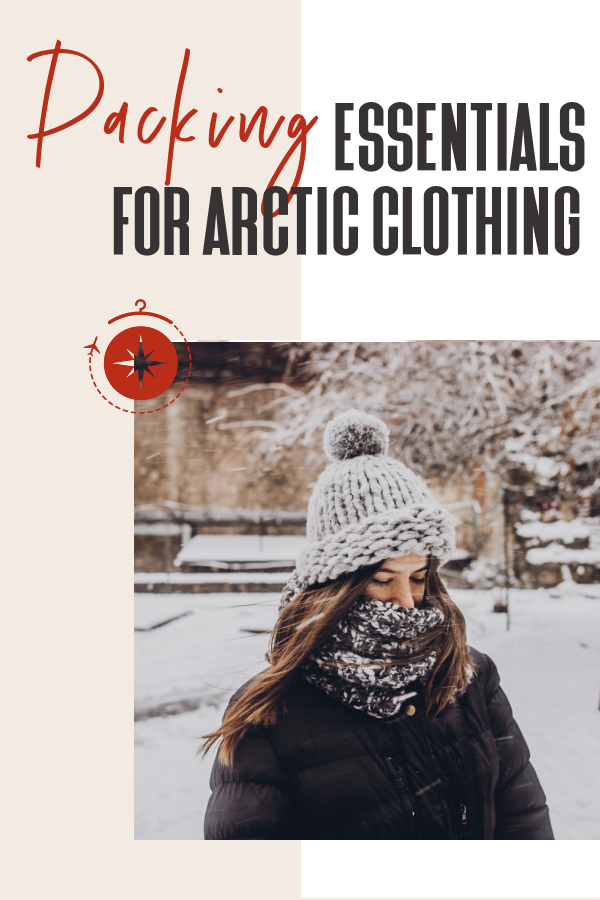
Hope you liked these tips on arctic wear and how to choose extreme cold weather gear. Please share it with your friends on Facebook, Twitter and Pinterest. Thanks for reading!


